
Description
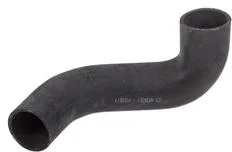
That steady drip of coolant under your tractor means trouble, and if you’ve spotted it coming from the lower radiator hose, you know it’s time for a replacement. Old hoses fail internally, releasing rubber particles that clog radiator tubes. This TISCO lower radiator hose gets your cooling system back to working like it should, keeping that dependable Farmall running at proper temperatures even when you’re pushing it hard through long summer days.
What You’re Getting
- Factory-specification fit for your International Harvester cooling system
- Heavy-duty rubber construction that handles temperature cycling from cold starts to full operating heat
- Reinforced design that won’t collapse under vacuum pressure when the engine cools down
- Direct replacement – no modifications or adapters needed for installation
Built for Real Farm Work
These International Harvester tractors from the 460 Farmall up through the early 706 models are true workhorses that earned their reputation in hay fields, grain operations, and general farm work. Whether your 560 is running a hay baler all day, your 656 is pulling cultivation equipment, or that 660 is handling loader work around the farmyard, proper cooling keeps these reliable engines running strong. These mid-range tractors often work harder than their size suggests, especially during peak seasons.
Made to Last
This hose is made from rubber compounds that can handle the heat cycling between cold morning starts and hot afternoon field work. The reinforced walls won’t collapse when the engine creates vacuum, which can happen with worn-out or universal hoses. It’s built to handle the vibration, temperature swings, and daily demands that come with serious farm work.
Installation Notes
Replacing this hose is a straightforward job that’ll take about 20 minutes with basic tools. Let the engine cool completely first – nobody wants to wrestle with hot hoses. The old hose might be stuck pretty good after years of heat cycles, so a little twisting while pulling usually does the trick. Make sure your hose clamps are snug but not over-tightened, and it’s worth checking the upper hose while you’re at it.
Reviews
There are no reviews yet.