
Description
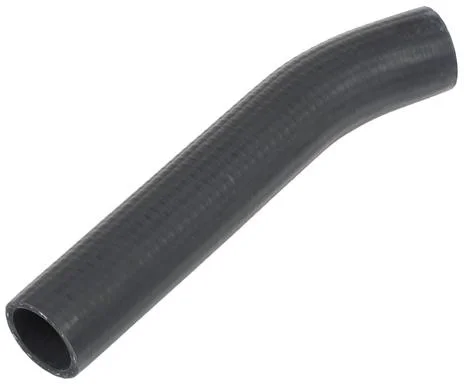
When you’re pushing through the late afternoon heat and notice that temperature gauge climbing, the last thing you need is a cooling system failure. This lower radiator hose connects your radiator to the engine block, carrying coolant through the critical final leg of the cooling circuit. If your old hose is showing cracks, soft spots, or mysterious coolant puddles under your Massey, it’s time for a replacement before you’re stuck in the field with an overheated engine.
What You’re Getting
- Exact-fit hose designed specifically for Continental gas engines in these classic Massey models
- Proper 1.85″ outer diameter and 1.50″ inner diameter for optimal coolant flow
- Pre-formed 10.70″ length eliminates kinks and ensures proper routing
- Heat-resistant rubber construction handles the temperature swings from cold starts to hot field work
- Reinforced walls prevent collapse under vacuum when the engine cools down
Built for Real Farm Work
This hose fits the Continental gas engines found in TO35, MF35, and MF135 tractors, plus the 202, 204, and 2135 industrial models. These versatile machines handle everything from hay operations and cultivation to loader work around the farmstead. Whether your 135 is your go-to utility tractor or that TO35 is still earning its keep after decades of service, proper cooling keeps these reliable workhorses running strong.
Made to Last
Farm tractors work in tough conditions, and cooling system hoses take a beating from heat cycles, vibration, and engine movement. This replacement hose uses quality rubber compounds that stay flexible through temperature extremes and won’t deteriorate from constant flexing. The reinforced construction prevents the internal collapse that can restrict coolant flow in worn-out hoses.
Installation Notes
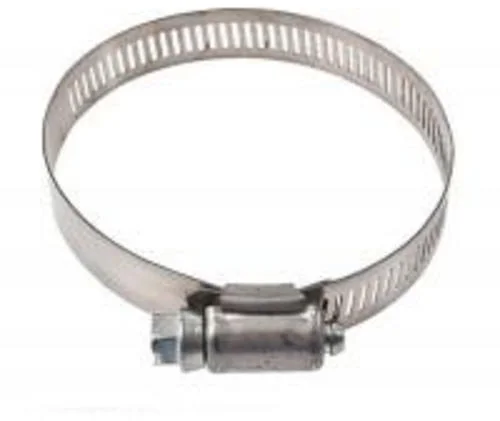
Let the engine cool completely before starting—hot coolant and steam can cause serious burns. The old hose might be stuck pretty good after years of service, so a little twisting while pulling usually helps. Clean the connection points before installing the new hose, and don’t overtighten the clamps—just snug enough to prevent leaks without crushing the hose.
Reviews
There are no reviews yet.