
Description
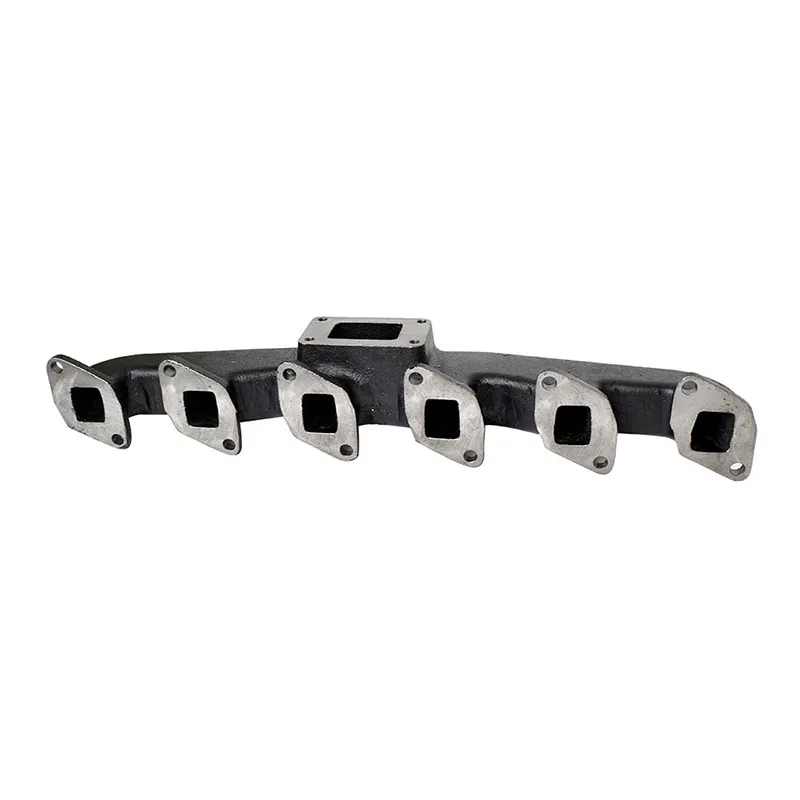
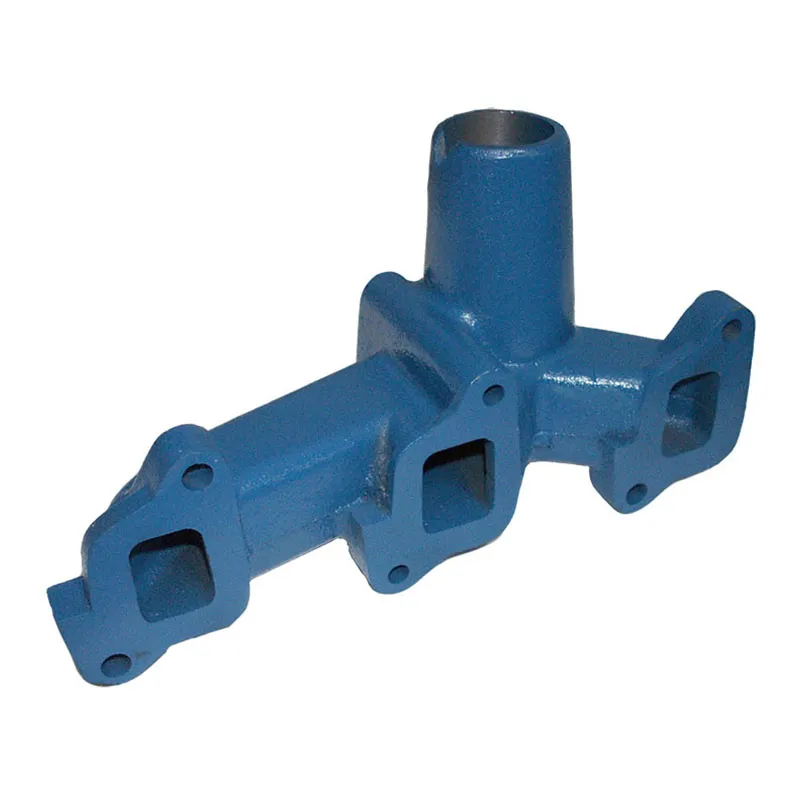
When you start hearing that telltale ticking sound from your exhaust manifold or notice black soot stains around the mounting points, it’s time to stop putting off this repair. A cracked manifold doesn’t just make noise—it’s stealing horsepower and potentially filling your cab with dangerous exhaust fumes. This cast iron replacement manifold seals up tight and gets your tractor breathing properly again, so you can get back to full power for those tough pulls.
What You’re Getting
- Heavy-duty cast iron construction that stands up to extreme heat cycles better than original equipment
- Precision-machined mounting surfaces ensure leak-free sealing at every port
- Direct bolt-in replacement—no modifications or adapters needed
- Restores proper exhaust flow for maximum engine efficiency and power
- Eliminates dangerous exhaust leaks that can poison your workspace
Built for Real Farm Work
Whether you’re running a 946 on hay duty, pulling tillage equipment with that trusty 1046, or counting on your 955 XL for daily chores, these workhorses have been the backbone of farming operations for decades. When the manifold starts cracking, you’re not just losing power—you’re risking your health with carbon monoxide exposure. This manifold gets your exhaust flowing cleanly again while restoring the smooth power delivery these tractors are known for.
Made to Last
Years of heating up and cooling down eventually crack even the toughest manifolds, especially around bolt holes and port openings where stress concentrates. This replacement features reinforced casting in those critical failure areas and uses a material composition that better handles thermal expansion. The result is a manifold that’s actually tougher than what came from the factory.
Installation Notes
Plan on several hours for this job—rushing manifold work leads to comebacks. If the old studs break during removal, extract them properly rather than drilling crooked holes. Clean all mating surfaces thoroughly and use new gaskets—don’t try to save a few dollars reusing the old ones. Tighten bolts gradually in sequence to avoid warping, then let the engine heat cycle a few times before retorquing.
Reviews
There are no reviews yet.