
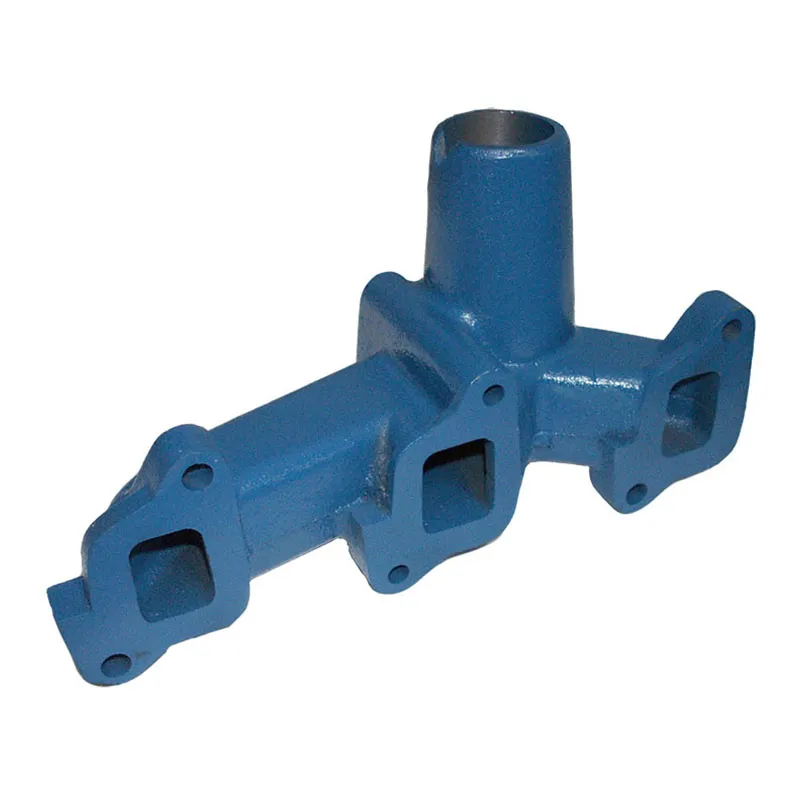
Description
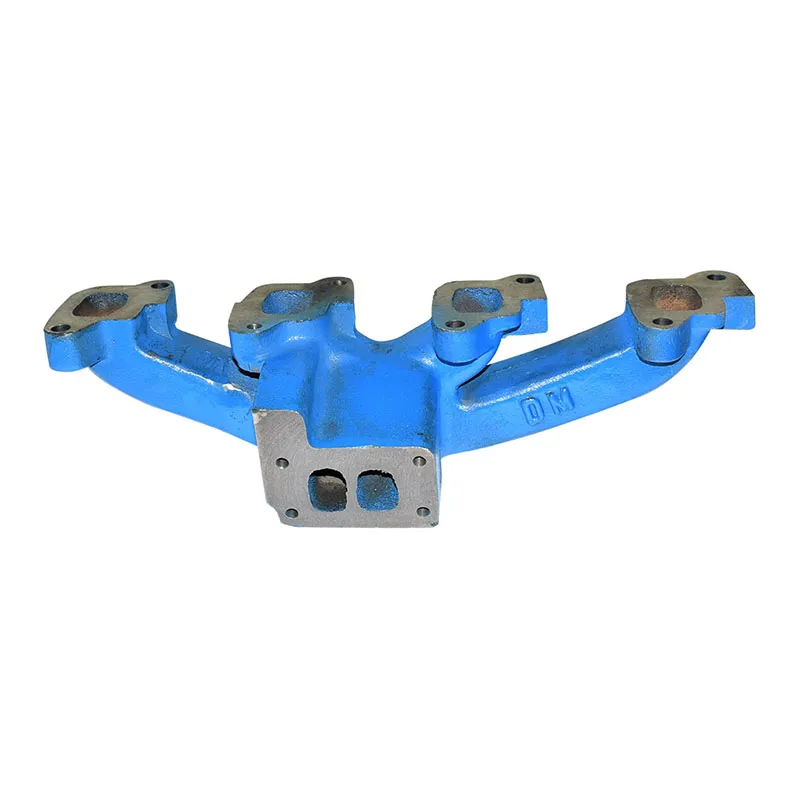
Nothing ruins a good day in the field like that persistent ticking sound coming from under the hood, especially when it’s followed by exhaust fumes creeping into your cab. When your Ford 3000 or 4000 series tractor starts making these telltale signs, it’s time for a new exhaust manifold. This replacement gets your tractor breathing properly again and puts an end to those annoying leaks that rob power and make your workday miserable.
What You’re Getting
- Heavy-duty cast iron construction that handles the extreme heat cycling these engines dish out
- Precision-machined mounting surfaces that seal tight with new gaskets every time
- Proper port design that keeps exhaust flow optimized for full power output
- Works with both gasoline and diesel versions of your 3000 or 4000 series tractor
- Corrosion-resistant finish that stands up to moisture and whatever chemicals you’re spraying
Built for Real Farm Work
These Ford 3000 and 4000 series tractors have been the workhorses on farms for decades – from the mid-1960s through the mid-1970s, they were everywhere doing everything from cultivation to hay work. Your 3000 series with its 35-37 HP or your 4000 series packing 47-62 HP still has plenty of work left in it, as long as the exhaust system does its job properly.
Made to Last
Cast iron construction means this manifold can take the punishment of repeated heating and cooling cycles without cracking. The heavy-duty casting dissipates heat better than cheaper alternatives, preventing those hot spots that cause premature failure. When your engine’s working hard on PTO work or pulling heavy loads, proper exhaust flow keeps everything running at peak efficiency.
Good to Know
Plan on using new gaskets when you install this – never reuse the old ones. If your old manifold studs have been in there for 40-plus years, soak them with penetrating oil a few days before you start the job. They’re notorious for breaking, and you don’t want to turn a simple manifold swap into a stud extraction project. Take your time cleaning the mating surfaces – any leftover gasket material or carbon buildup will cause leaks right from the start.
Reviews
There are no reviews yet.