
Description
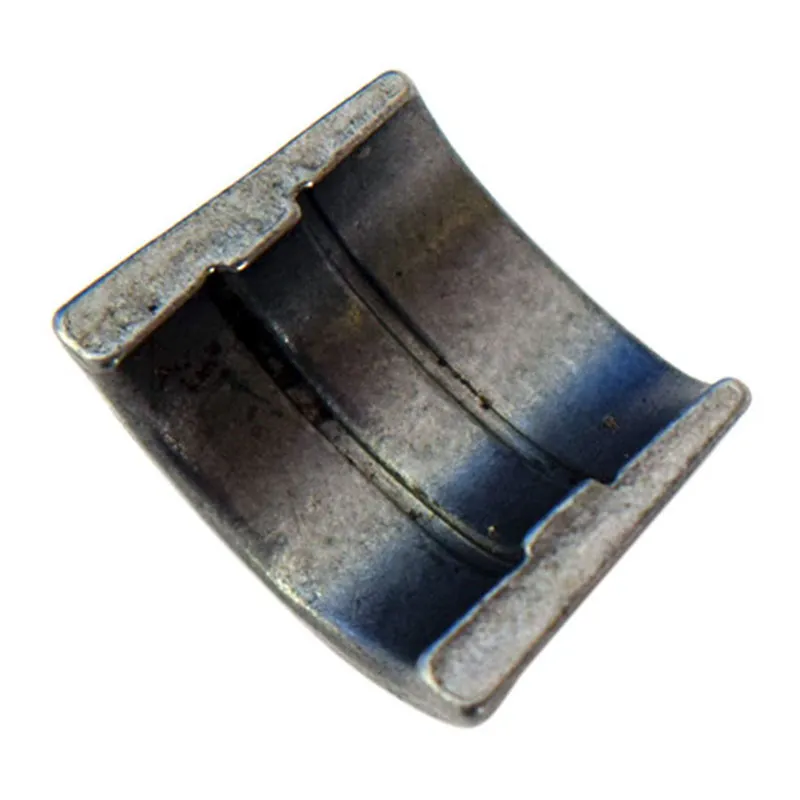
If you’ve ever been deep into an engine rebuild on your Ford or New Holland tractor and found a valve spring with nothing holding it in place, you know what these little valve cotters do. Also called valve keepers or split pins, these small but critical engine parts lock your valve springs onto the valve stems, keeping everything in proper position so your valves can open and close the way they’re supposed to. When one goes missing or breaks, you’ll know about it real quick – usually with a loud noise you don’t want to hear.
What You’re Getting
- Precision-formed split pin design that locks securely around valve stem grooves
- Hardened steel construction resists wear from constant spring compression cycles
- Exact factory dimensions ensure proper valve spring seating and retention
- Works with original valve springs and valve stem configurations
- Direct replacement – no machining or modifications needed
Built for Reliable Engine Operation
This valve cotter fits a wide range of classic Ford New Holland engines across multiple series including the popular 10 Series, 1000 Series, 30 Series, and many others spanning decades of tractor production. These engines power everything from compact utility tractors to larger row-crop machines that handle the heavy lifting on farms across the country. Whether you’re rebuilding a 3000 Series engine or working on a TW Series powerplant, proper valve train operation depends on these small but essential components.
Made to Handle Engine Stress
Engine valves open and close thousands of times per minute, with valve springs providing the force to keep everything sealed tight. This cotter pin takes all that spring pressure and transfers it safely to the valve stem. The heat-treated steel construction handles the constant stress cycles without cracking or deforming, ensuring your valve train stays together even under heavy loads and high RPMs.
Installation Notes
During engine assembly, make sure the valve stem groove is clean and free of any nicks or damage before installing the cotter. Use proper valve spring compressor tools to safely compress the spring and position the cotter – never try to force it in place. The split design should fit snugly in the stem groove with no gaps. If you’re doing a complete valve job, now’s the time to replace all cotters since they’re inexpensive insurance against future problems.
Reviews
There are no reviews yet.