
Description
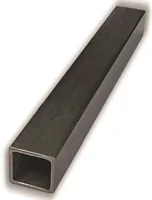
Every farmer knows the frustration of trying to make repairs with the wrong sized square tubing or having to settle for makeshift fixes that don’t hold up. When you’re building or repairing cultivators, toolbar assemblies, or custom equipment, having the right hollow steel stock on hand can save you a trip to town and keep you working. This 2-1/4 inch square hollow toolbar gives you the structural strength and versatility to tackle those projects right.
What You’re Getting
- Heavy-duty square hollow steel construction that won’t bend or twist under field loads
- 2-1/4 inch outside dimensions provide excellent strength-to-weight ratio for toolbar applications
- Uniform wall thickness ensures consistent welding and drilling characteristics
- Clean, straight tubing that’s ready to cut and fabricate without cleanup work
- 16-foot length gives you flexibility to cut multiple pieces or handle longer spans
Built for Real Farm Work
This hollow toolbar is perfect for building or repairing cultivator frames, planter toolbars, and custom tillage equipment. The 2-1/4 inch size is popular on medium-duty implements where you need more strength than smaller tubing provides but don’t want the weight of solid steel. Whether you’re extending an existing toolbar, building a custom cultivator, or fabricating mounting brackets for implements, this size handles the job.
Made to Last
Quality steel construction means this toolbar stock will handle the stresses of field work without cracking or failing. The hollow design keeps weight down while maintaining the structural integrity you need for mounting shanks, wheels, and other implement components. It welds cleanly and machines easily when you need to drill mounting holes or add brackets.
Good to Know
This toolbar is sold by the foot with a 16-foot minimum order requirement – you’ll need to order the full 16-foot length. If you need shorter pieces, plan your cuts to minimize waste. When welding, remember that hollow tubing can trap moisture inside, so drill small drain holes at low points to prevent rust from the inside out. A quick tip: mark your cut lines before starting – once you make the first cut, the piece becomes much easier to handle.
Reviews
There are no reviews yet.