
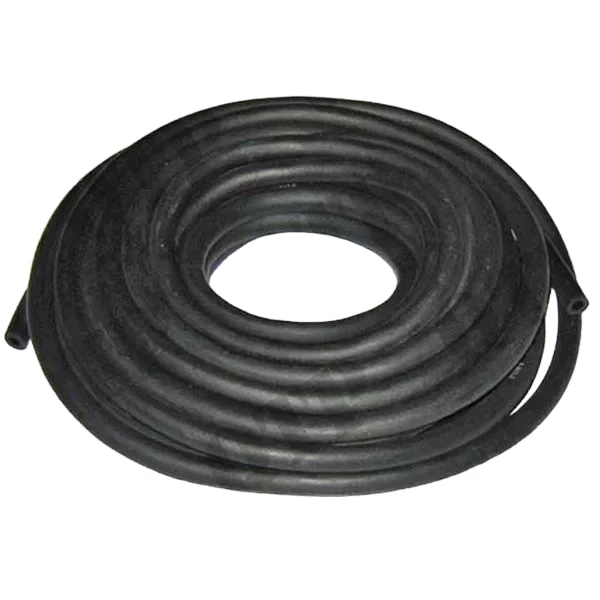
Description
Nothing ruins a field day faster than fuel lines that start weeping diesel or get so hard they crack when you hit a bump. You’ll smell that telltale diesel fume in the cab, see dark spots under your tractor, and if you’re unlucky, deal with air getting into the system that makes starting a real chore. This 5/16 inch fuel hose is built to handle what your diesel system dishes out, whether you’re fixing an emergency leak or doing preventive maintenance before the busy season hits.
What You’re Getting
- 10-meter roll gives you plenty of hose for multiple repairs or a complete system overhaul
- Fuel-resistant construction that won’t swell, crack, or get gummy from diesel and biodiesel blends
- Stays flexible in both summer heat and winter cold—won’t turn into a garden hose when it gets old
- Right diameter for most tractor fuel applications without restricting flow to your engine
- Quality construction that handles the vibration and temperature swings of farm work
Built for Real Farm Work
Your tractor’s fuel system has lines running everywhere—from the tank to filters, lift pumps, and back to the injection system. When those lines get old and brittle, they don’t just leak—they can let air in that causes hard starting and rough running. This hose works on everything from compact utility tractors to row-crop machines, handling the fuel delivery that keeps you moving through long days of fieldwork.
Made to Last
This isn’t the cheap stuff you’ll find at the auto parts store. It’s engineered for agricultural fuel systems that see constant vibration, temperature extremes, and modern diesel fuel with all its additives. The material resists the degrading effects that turn ordinary rubber hose into a maintenance headache, keeping its flexibility and sealing properties season after season.
Good to Know
Always use proper fuel-rated clamps when installing—automotive clamps are fine, but avoid the cheap hardware store variety. Route your new hose away from exhaust components and support long runs to prevent stress on fittings. A good tip from the shop: when you’re replacing one fuel line, take a close look at the others. They usually age together, and there’s nothing worse than fixing one leak only to have another pop up during harvest.
Reviews
There are no reviews yet.