
Description
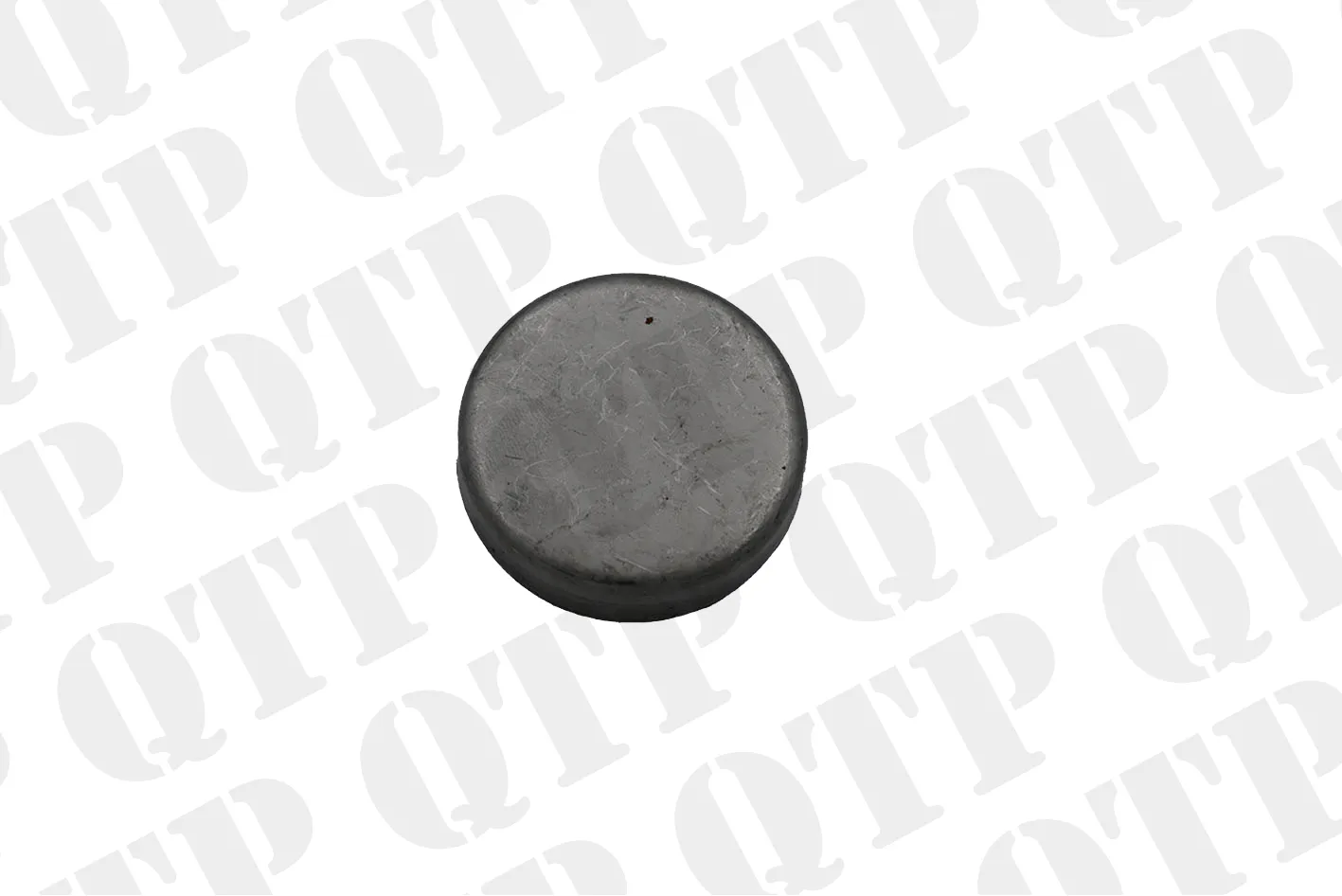
If you’ve ever had coolant seeping from your engine block or found crusty green residue around a plug, you know what a worn frost plug looks like. These little metal plugs seal the casting holes left from engine manufacturing, but years of freeze-thaw cycles, vibration, and coolant chemicals eventually take their toll. When one starts weeping coolant, it’s time for a replacement before a small leak becomes a big problem. This stainless steel frost plug takes it up a notch—it won’t corrode like regular steel plugs and keeps your David Brown’s cooling system sealed tight for years to come.
What You’re Getting
- Premium stainless steel construction that won’t rust or corrode from coolant exposure
- Built to handle constant heat cycles, vibration, and pressure without working loose
- Precision sizing ensures a snug fit that seals properly on the first try
- Direct replacement—no modifications needed for your David Brown engine
Built for Real Farm Work
David Brown tractors have earned their reputation as dependable workhorses in farming operations around the world. The 1200 series tractors, with their 67-72 horsepower, are perfect for medium-duty farm work like cultivation, hay operations, and general field work. The larger 1400 and 1690 models provide the power needed for heavy tillage, large-scale planting, and demanding loader work. These tractors are commonly used for row crop farming, dairy operations, mixed farming, and custom work. Whether you’re running a compact 700 series around the farmyard or working long days with a bigger 1200 or 1400 series, this plug handles the cooling system demands that come with hard farm work.
Made to Last
Engine blocks get hot and cold, vibrate constantly, and deal with whatever coolant chemistry you’re running. This frost plug is built to handle all that without corroding through or working loose. The stainless steel material resists the galvanic corrosion that eats regular plugs, so you won’t be doing this job again anytime soon. It maintains its seal through freeze-thaw cycles and the thermal stress that comes with engines working hard all day.
Installation Notes
Installing frost plugs requires tapping them into place with the right technique – drive them in straight and square, not cocked sideways. A block of wood and a hammer works better than trying to use a punch that might push through. Clean the bore thoroughly first, and don’t forget to check your coolant level after the repair. Since you’ll be draining coolant anyway, it’s a good time to inspect the other plugs—if one’s failing, others might not be far behind.
Reviews
There are no reviews yet.