
Description
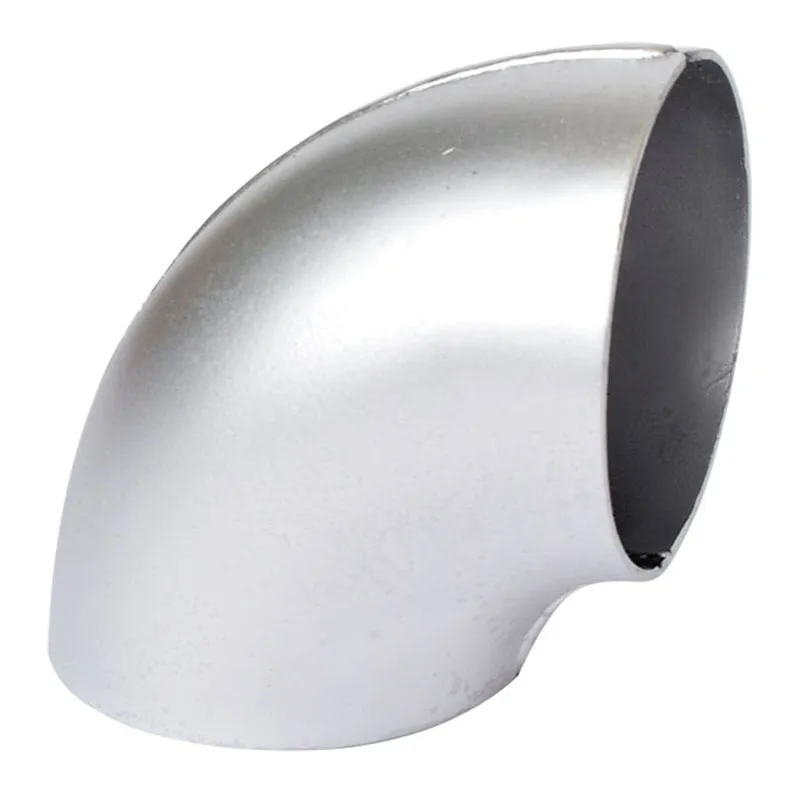
Nothing’s more frustrating than a cracked exhaust pipe when you’re trying to get work done. Whether it’s a rust hole that’s letting exhaust into your cab or a damaged section that needs rerouting around new implements, this 3-inch mild steel welding elbow gives you the flexibility to fix it right without ordering expensive OEM assemblies. Instead of waiting weeks for parts that might cost hundreds, you can weld up a permanent repair in your own shop.
What You’re Getting
- Perfect 3-inch outside diameter that matches standard tractor exhaust pipes on most mid-size to large farm tractors
- 90-degree bend angle that’s ideal for routing exhaust around obstacles or creating vertical stacks
- Quality mild steel construction that welds easily with your MIG or stick welder – no special techniques needed
- Heavy wall thickness that won’t burn through during welding and handles the heat of diesel exhaust long-term
- Smooth mandrel-bent interior that maintains good exhaust flow without creating backpressure
Built for Real Farm Work
This elbow fits right into the exhaust systems on most agricultural tractors from 50-150 horsepower. Whether you’re fixing an older John Deere, Case IH, New Holland, or Massey Ferguson, chances are good it uses 3-inch exhaust piping. You’ll find this size on everything from utility tractors doing loader work to row-crop machines running planters and cultivators. It’s especially handy for custom applications like adding vertical stacks to keep exhaust away from cabs or rerouting around new implements.
Made to Last
Farm exhaust systems take serious abuse from heat cycling, vibration, and the occasional tree branch or implement contact. This elbow uses the same mild steel construction that welders prefer for exhaust work – it flows easily under the torch, creates strong joints, and handles the 800-1000 degree temperatures your diesel puts out. Unlike thin automotive tubing that burns through, this has the wall thickness to provide years of reliable service while still being easy to work with.
Installation Notes
Success with exhaust welding starts with clean metal – grind or wire brush both pieces to bright steel before you start. Tack weld in several spots to maintain alignment, then run your final beads. A quick tip: leave small gaps between pipe sections for thermal expansion, especially on longer runs. After welding, hit the joints with high-temperature paint to prevent rust from starting in the heat-affected zones.
Reviews
There are no reviews yet.