
Description
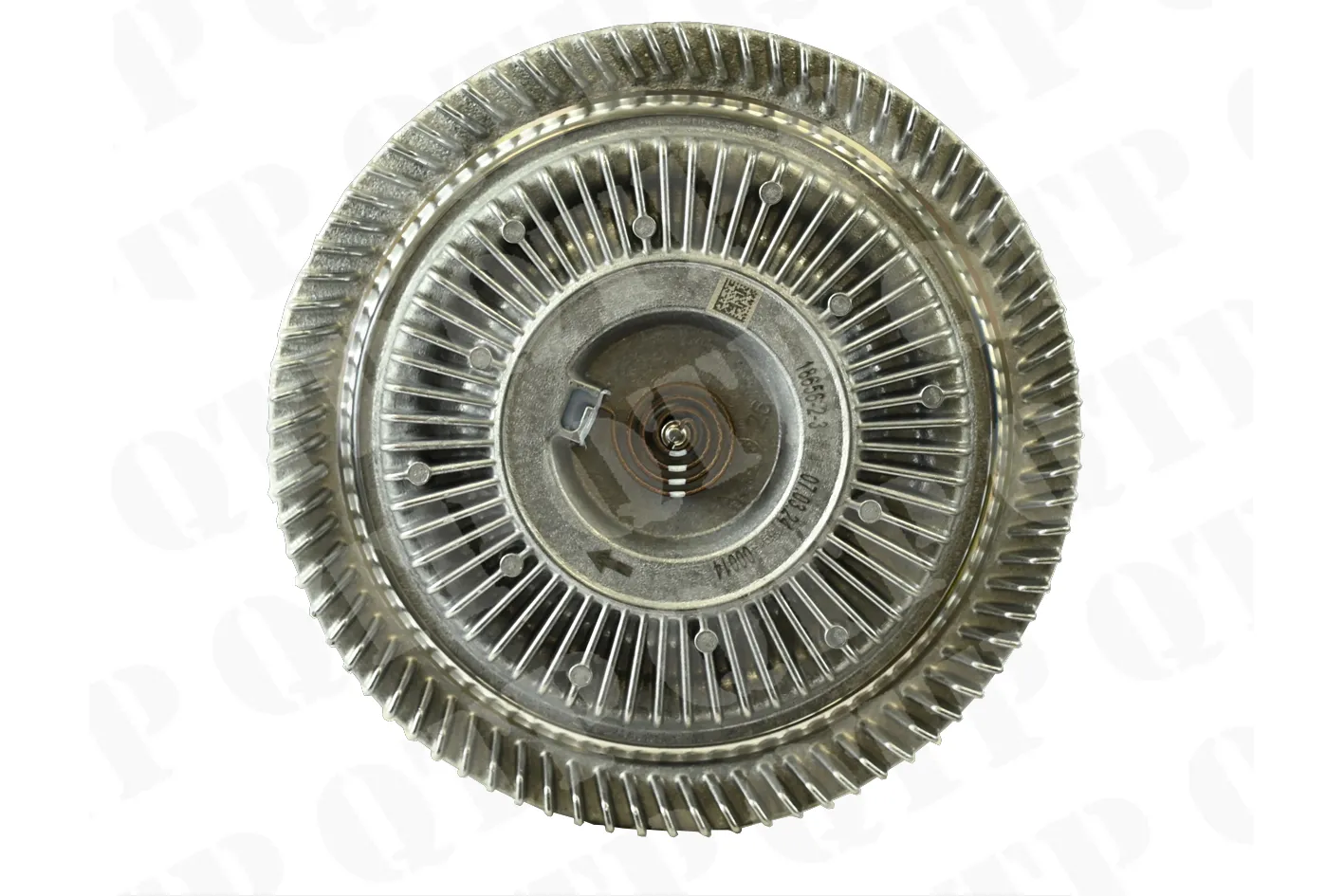
When your fan starts roaring constantly or your tractor’s running hotter than it should, there’s a good chance your viscous fan clutch needs attention. A failed clutch either locks up and robs power all the time, or won’t engage when you need cooling most. This replacement clutch gives you back the smart cooling control your tractor was designed to have—saving fuel when you don’t need full cooling, and providing maximum airflow when the work gets tough.
What You’re Getting
- Temperature-sensitive coupling that automatically adjusts fan speed based on actual cooling needs
- Precision-engineered silicone fluid system that provides smooth, progressive engagement
- Durable sealed construction that prevents contamination and maintains calibration for years
- Direct replacement design that installs with standard tools and hardware
- Quality bearings and seals built to handle the constant speed changes of farm work
Built for Real Farm Work
This clutch fits a range of mid-horsepower workhorses including New Holland 35 series tractors (4635-7635) and TL series machines (TL70-TL100), plus Case IHC JXU series and Fiat L series models. These are the tractors doing everything from loader work to field cultivation, mowing to baling—machines that need reliable cooling under varying loads and conditions.
Made to Last
The viscous clutch uses specially formulated silicone fluid that responds predictably to temperature changes throughout its service life. When cold, it allows the fan to slip and reduces power draw. As engine temperature rises, the fluid thickens progressively to provide exactly the cooling needed. The hermetically sealed housing keeps this calibration precise for the long haul.
Good to Know
Handle the new clutch carefully during installation—never store it on its side or upside down, as this can cause the silicone fluid to migrate. Check your fan blades for damage or imbalance before installing, since a bent fan will quickly destroy a new clutch. The unit should spin easily when cold but show increasing resistance as it warms up. Proper operation typically saves 5-10 horsepower compared to a locked fan, while ensuring your engine never overheats.
Reviews
There are no reviews yet.