
Description
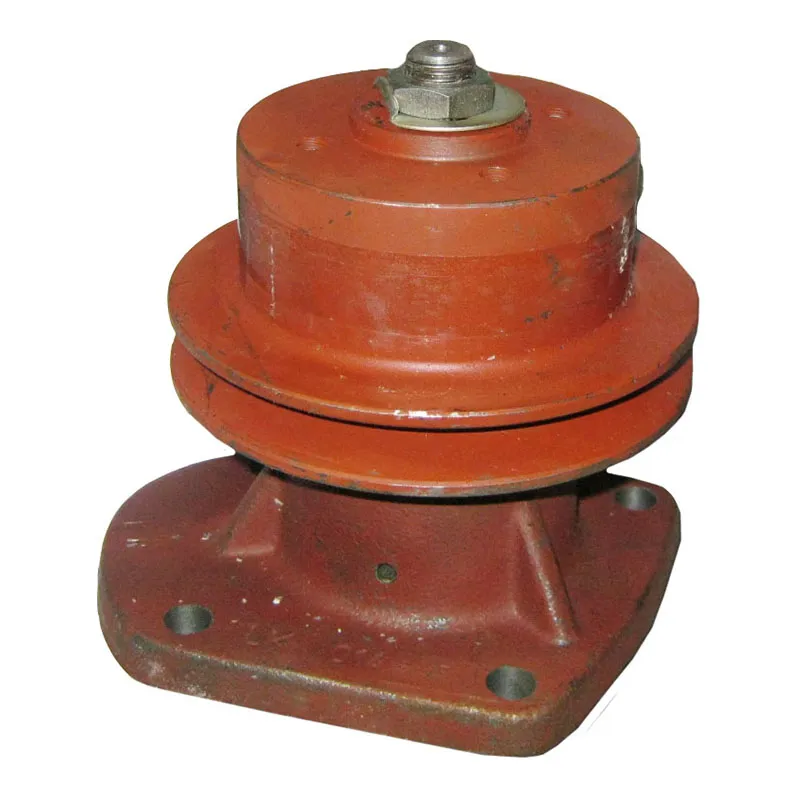
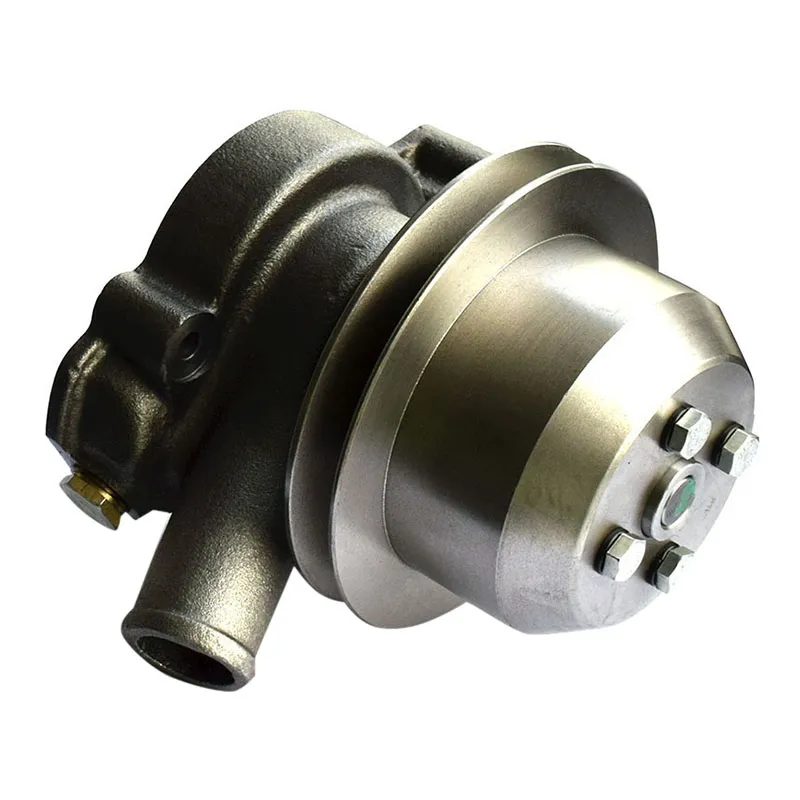
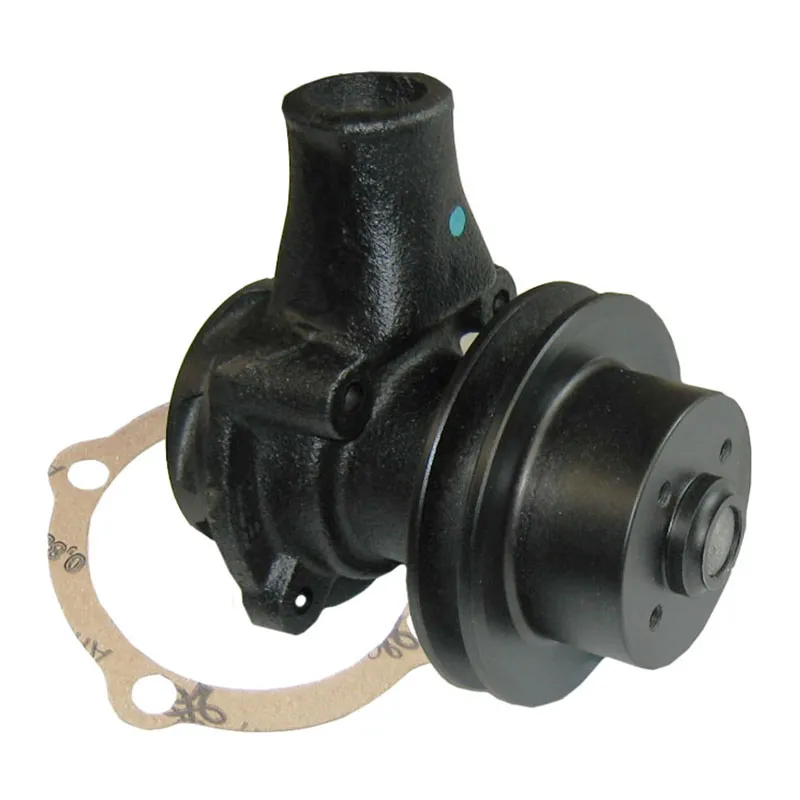
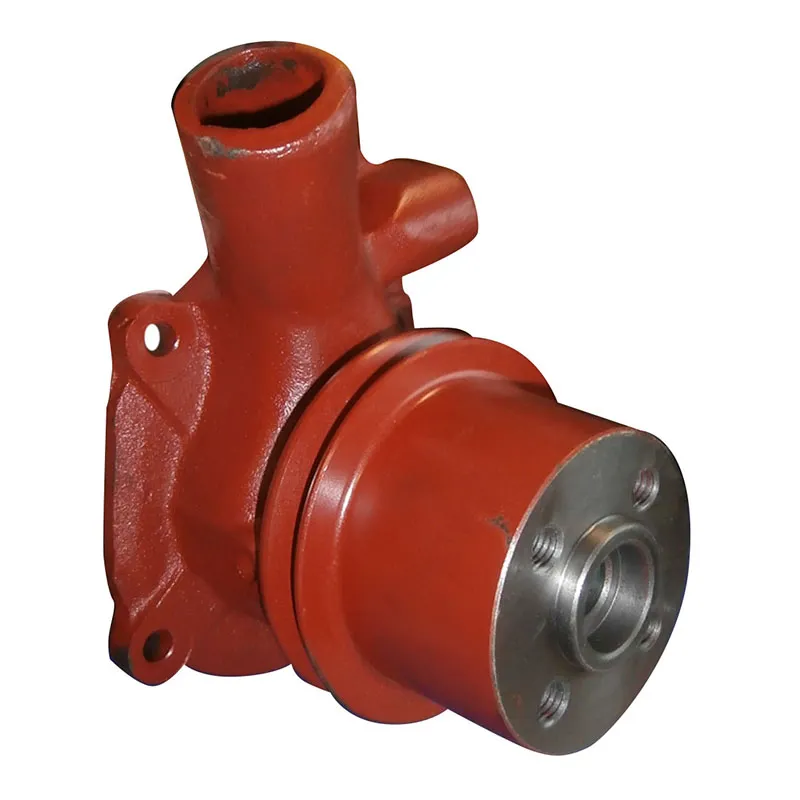
When your engine temperature starts climbing during a tough day of fieldwork, it’s usually your water pump crying for help. This single-pulley water pump keeps coolant moving through your Zetor’s engine, maintaining steady operating temps whether you’re pulling through thick soil or running hydraulics all day. Don’t wait until you’re stuck with steam rolling out from under the hood—a failing pump can turn a simple repair into major engine damage.
What You’re Getting
- Single-pulley design provides direct belt drive efficiency and easy maintenance access
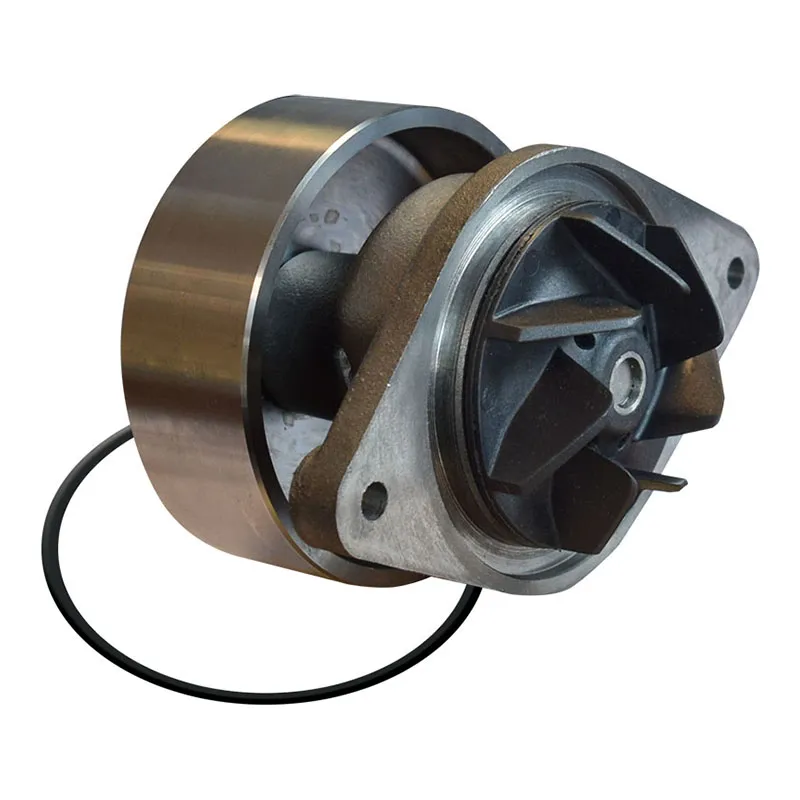
- High-flow impeller moves maximum coolant volume even at low RPM when you need it most
- Heavy-duty bearings handle continuous operation and belt tension without premature wear
- Precision-cast housing resists corrosion and provides proper sealing surfaces
- Direct OEM replacement—no modifications or special tools required
Built for Real Farm Work
These Zetor models are workhorses in farming operations across the country. Your 8011 or 8045 might spend all day feeding cattle with a loader, while the Crystal series tractors handle everything from heavy tillage to PTO work with balers and mixers. The 10000 series machines tackle the biggest jobs on the farm. All of them depend on reliable cooling to keep working when the temperature soars and the workload doesn’t let up.
Made to Last
Water pumps in farm tractors face brutal conditions—constant vibration, temperature swings, and coolant that might be anything but pristine. This pump features oversized bearings and a robust impeller design that keeps coolant flowing even when debris tries to slow things down. The cast housing won’t crack from thermal cycling like cheaper alternatives, and it’s built to handle the belt loads these single-pulley systems require.
Good to Know
Replacing the water pump is a perfect winter project that prevents summer breakdowns. You’ll have good access from the front on these tractors, but plan to drain and flush the cooling system completely. It’s the ideal time to replace your thermostat and hoses if they’re questionable. Clean all mating surfaces thoroughly and use fresh gaskets—even tiny debris can cause leaks. After installation, fill the system slowly to avoid air pockets and run with the cap off until the thermostat opens.
Reviews
There are no reviews yet.