
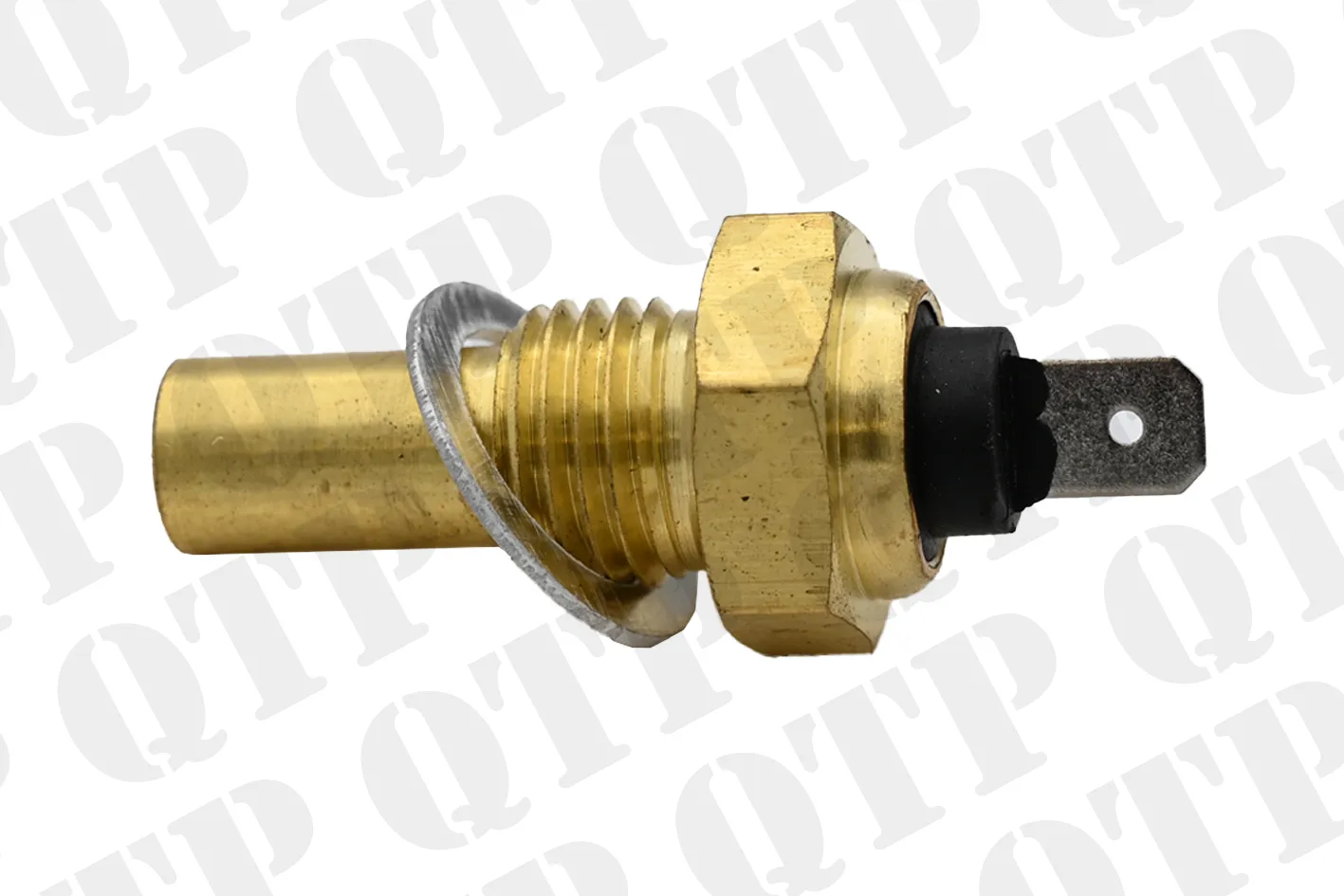
Description
When that temperature gauge starts acting funny or you’re getting warning lights about engine temperature, you probably need a new water temperature sensor. A failing sensor doesn’t just give you bad readings—it can leave you guessing whether your engine is running too hot or if the problem is just electrical. This replacement sensor ensures your cooling system gauge provides accurate readings, allowing you to detect potential overheating conditions before catastrophic engine failure occurs and responds quickly to temperature changes, providing early warning of cooling system problems that could sideline your operation during critical farming seasons.
What You’re Getting
- OEM-quality electrical sensor that provides accurate temperature readings to your dashboard gauge
- Quality components and protective housing designed to withstand the harsh environment under the hood—from temperature extremes to vibration and contamination that would destroy lesser sensors
- Built for tractors with advanced electronics that expect reliable sensor inputs
- Direct replacement that works with your existing wiring harness and gauge cluster
Built for Real Farm Work
This sensor fits the entire Farmer 100 series—from the smaller 102 and 103 models perfect for loader work and chores, up through the 104 and 105 models that handle serious fieldwork. It also covers the Favorit 600 series and several Farmer 300 series models. Whether you’re running a tedder through windrows, pulling a cultivator through tough soil, or operating equipment around the farmstead, these tractors need reliable cooling to keep working.
Made to Last
This sensor is built to handle the pressure spikes, temperature swings, and electrical interference that come with modern farming. The sealed construction keeps moisture and dirt out while maintaining accurate readings season after season. German tractors are built to work hard, and this sensor matches that standard.
Installation Notes
Installation requires draining a small amount of coolant from the system before removing the old sensor, and you’ll want to clean the threaded mounting location thoroughly and apply appropriate thread sealant to prevent leaks. Make sure connections are clean and dry before plugging in the new unit. While you’re at it, check your coolant level and radiator hoses—many cooling problems are combination issues.
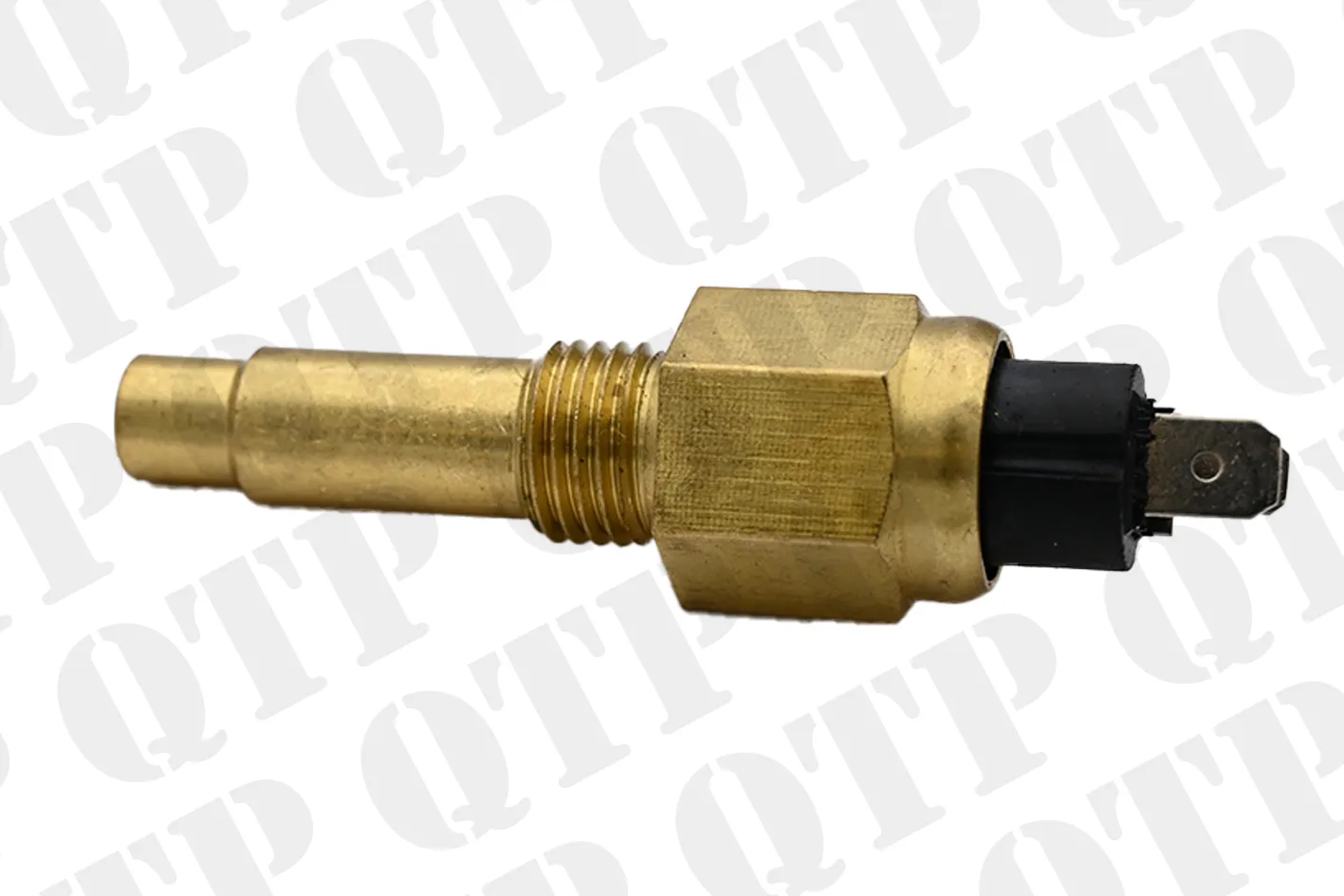
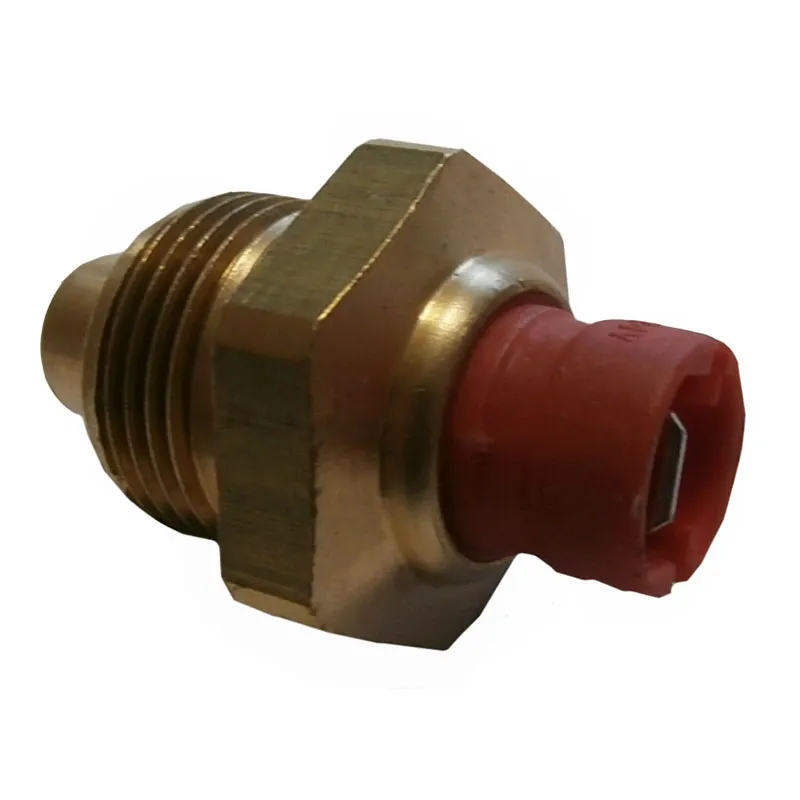
Reviews
There are no reviews yet.