
Description
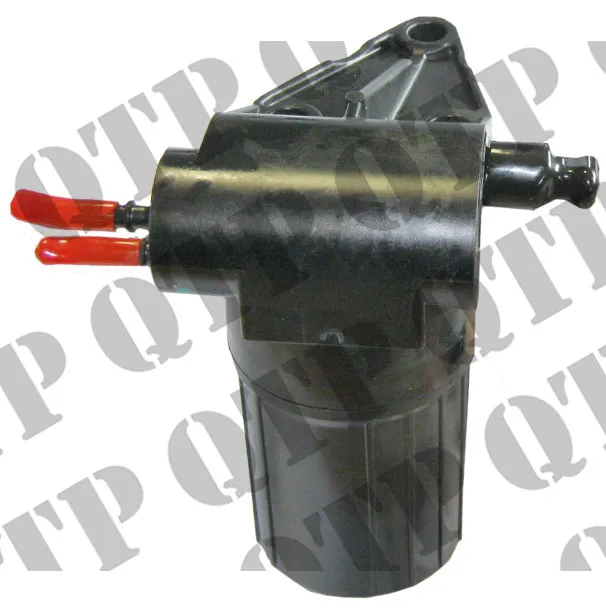
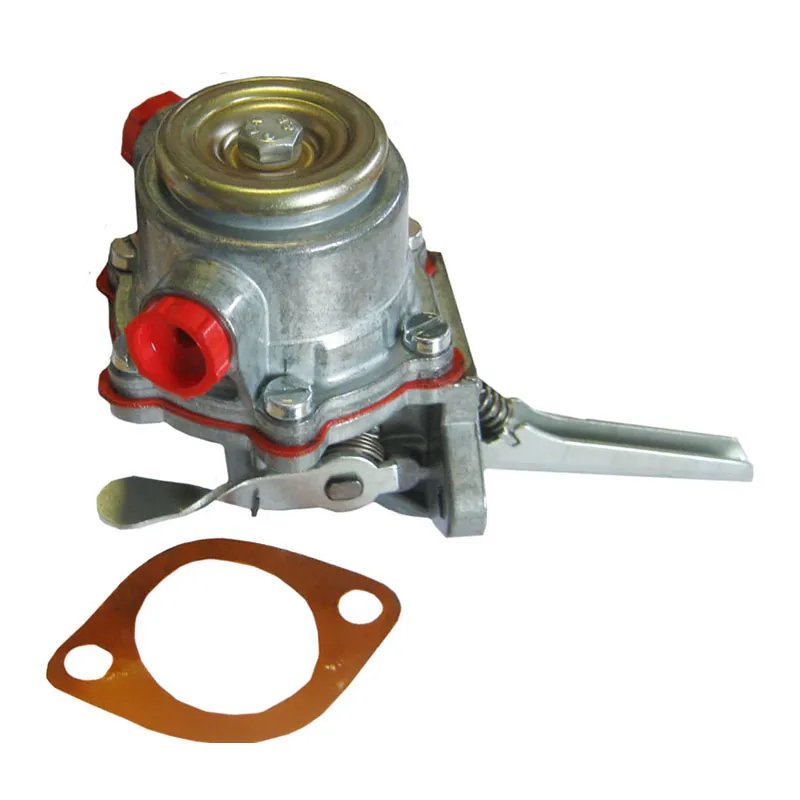
When your tractor starts acting up—hard to start, losing power on hills, or running fine until you really need the power—your electric fuel lift pump might be giving out. This electric fuel pump is what keeps diesel flowing from your tank to the injection pump, and when it starts failing, you’ll feel it in everything from startup to pulling power when you’re working hard. This replacement pump gets your diesel engine back to delivering reliable fuel flow, even during those demanding days when every bit of power matters.
What You’re Getting
- Quality internal components designed to handle diesel fuel’s lubricating properties and resist contamination from water or debris
- Motor built for continuous duty operation that maintains consistent pressure throughout its service life
- Sealed electrical connections that prevent corrosion issues common with cheaper pumps
- Direct replacement that fits without modifications or adapters
Built for Real Farm Work
This electric fuel pump serves a wide range of tractors from McCormick V and CL series utility tractors up through the bigger TTX series machines. These mid-size tractors handle everything from hay baling and mowing to loader work and field cultivation. Whether you’re running a McCormick pulling a disc harrow or handling round bales with the loader, this pump keeps fuel flowing reliably to your engine during those long work days.
Made to Last
Farm equipment takes a beating, and fuel pumps are no exception. This pump is designed to handle the vibration, dust, and temperature extremes that come with agricultural work. The robust construction means it won’t leave you stranded when you’re racing to beat the weather.
Installation Notes
Replacing an electric fuel lift pump requires attention to both fuel handling and electrical connections. Work in a well-ventilated area and have a drain pan ready—you’ll spill some diesel no matter how careful you are. Disconnect the battery before starting to prevent any electrical issues. Note the inlet and outlet connections before removal—installing them backwards is an easy mistake that prevents fuel flow. After installation, prime the system by cycling the key several times before cranking and check for leaks at all connections once running.
Reviews
There are no reviews yet.